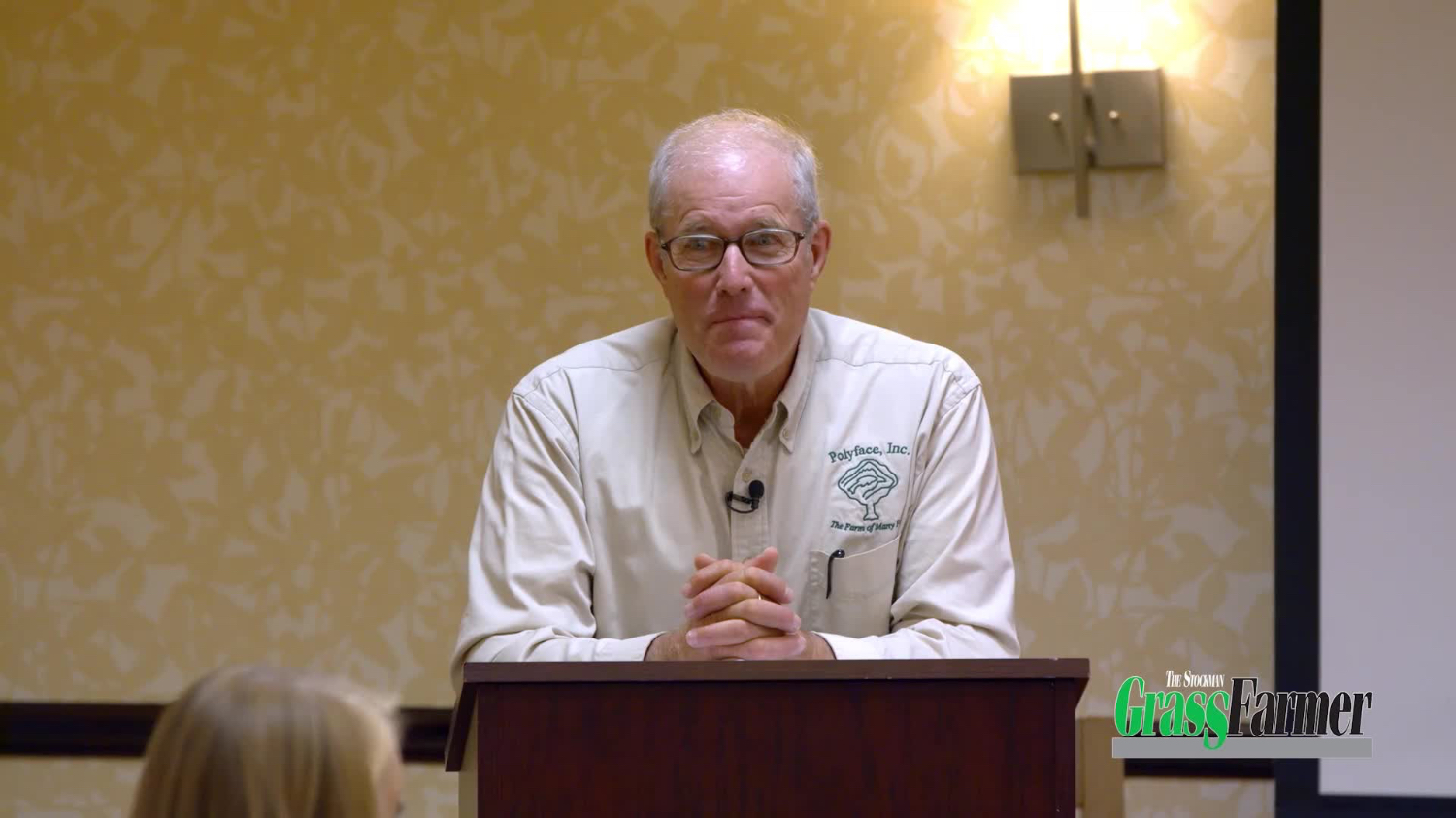
Nature has No "Weeds" By Steve Kenyon
In this episode of Regenerative Wisdom, Steve Kenyon challenges one of agriculture's most familiar concepts: the weed.
Steve doesn't believe there is such a thing as a weed. Instead, he prefers the term “pioneer species”—tough, aggressive plants that often appear because conditions favor them. Rather than simply being a problem to eliminate, these plants can protect bare ground, reduce erosion, cycle nutrients, build organic matter, improve water infiltration, and help damaged soil begin to heal.
The real question, Steve argues, isn't “How do I kill the weeds?” It's “Why are these plants here in the first place?”
Using Canada thistle as an example, Steve explains how undesirable plants can reveal weaknesses in a grazing system and how management can shift conditions back in favor of more desirable forage species.
At the heart of his approach are his Five G.R.A.S.S. Concepts—a practical framework for managing healthy, competitive pastures without constantly fighting nature.
🔑 Key Points Covered
-
Why Steve prefers the term “pioneer species” instead of weeds.
-
How pioneer species act like a scab, protecting and helping heal disturbed soil.
-
Why simply spraying or tilling weeds may address the symptom rather than the underlying problem.
-
How deep-rooted plants can access moisture and nutrients unavailable to shallower-rooted species.
-
The role pioneer species can play in reducing erosion, building soil armor, and attracting beneficial insects.
-
What Canada thistle can tell you about conditions in your pasture.
-
Why selective grazing can give undesirable plants a competitive advantage.
-
How healthy desirable species can eventually outcompete pioneer species when conditions improve.
-
Why managing the roots of forage plants is just as important as managing what you see above ground.
-
How grazing management can encourage a new generation of healthy forage plants.
-
Why patience is essential when trying to change pasture composition.
🌱 Steve Kenyon's Five G.R.A.S.S. Concepts
Graze Period: Keep the grazing period short enough to prevent animals from taking a second bite from recovering plants. Steve emphasizes that overgrazing is about time, not simply animal numbers or acreage.
Rest Period: Give plants enough recovery time to rebuild leaves and replenish energy reserves in their roots. Strong roots help desirable plants compete.
Animal Impact: Hoof action can stimulate the soil surface and encourage new seedlings, helping rejuvenate aging forage stands.
Stock Density: Higher stock densities can reduce selective grazing by increasing utilization across the paddock. Instead of repeatedly grazing only the most desirable plants, livestock graze, trample, or impact more of the available vegetation.
Soil Armor: Maintaining a protective layer of plant material over the soil helps reduce evaporation and runoff, regulate soil temperature, and create better conditions for soil life and desirable forage plants.
🌾 Manage the Conditions, Not Just the Symptom
Steve's central message is that weeds—or pioneer species—are often symptoms of the conditions within the grazing system.
If desirable plants are repeatedly grazed before they have recovered, while undesirable plants are left untouched, management is effectively giving those undesirable plants an advantage.
Instead of continually attacking them, Steve recommends changing the conditions.
Strengthen desirable plants. Protect the soil. Manage grazing periods and recovery. Increase stock density where appropriate. And give the system time to respond.
As Steve points out, this isn't necessarily a quick fix. Changing pasture composition can take several years, and different growing seasons may favor different species. The goal isn't necessarily to eliminate every undesirable plant, but to maintain a diverse, healthy forage stand where those plants don't dominate.
👨🌾 About Steve Kenyon
Steve Kenyon ranches in Busby, Alberta, Canada, and operates Greener Pastures Ranching. He has been writing for Stockman Grass Farmer since 2008, when he sent his first article—also about weeds—to longtime SGF editor Allan Nation.
Steve's book, The Calendar of the Year-Round Grazier, is available through the Stockman Grass Farmer Bookshelf.
📅 Learn From Steve Kenyon In Person
Steve will also be teaching a two-day Year-Round Grazing School on November 6–7, 2026, in Omaha, Nebraska.
The school will feature two full days of practical, field-tested, profit-focused grazing education designed to help producers improve their grazing management for years to come.
Seats are limited, so early registration is encouraged.
Learn more about Steve's upcoming school, his book, and other grazing resources at stockmangrassfarmer.com.
🎧 Listen, Learn & Subscribe
If you enjoyed this episode, subscribe to Regenerative Wisdom for more practical lessons and timeless insights from the farmers, ranchers, and grazing experts featured in Stockman Grass Farmer.
Be sure to check out our monthly magazine, live events, books, and the latest specials for even more resources to help you build a healthier, more profitable grazing operation.