Otter Creek Farm Transitioning to Regenerative, Grassfed, Diversified Operation By Becky Gillette
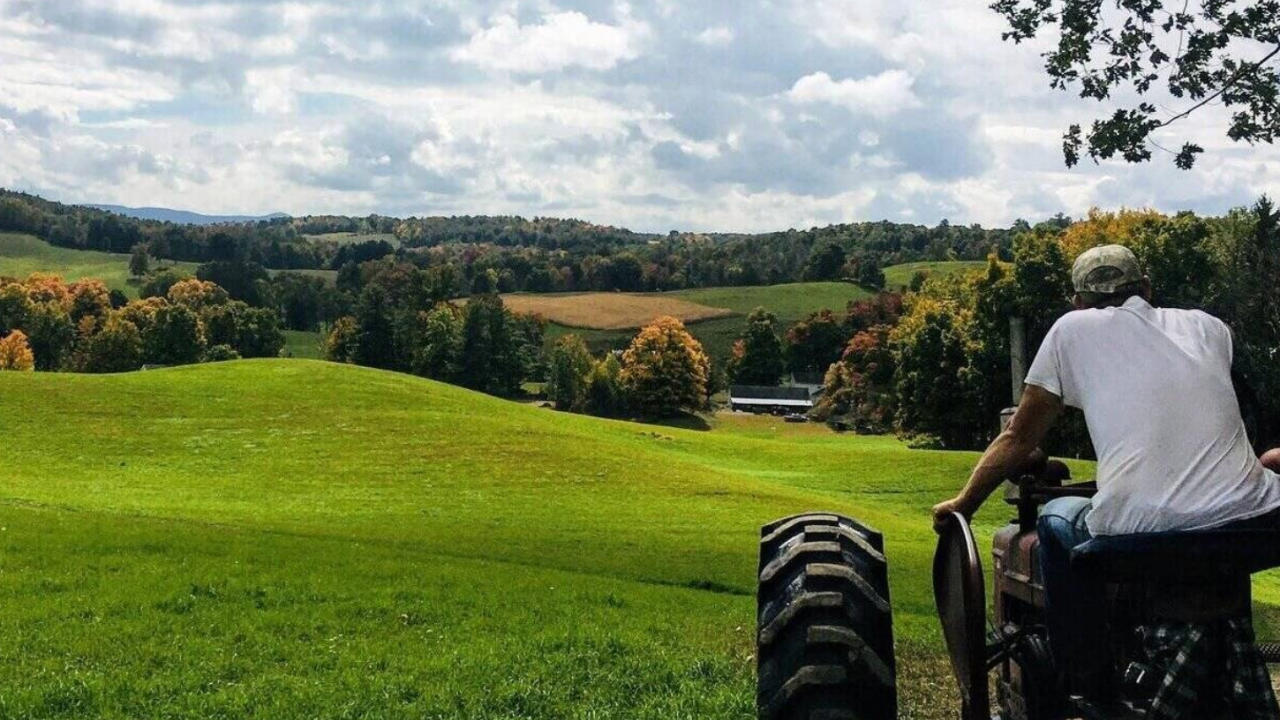
JOHNSONVILLE, New York:
Today Otter Creek raises Certified Animal Welfare Approved and Certified Grassfed by A Greener World beef cattle along with pigs, laying hens and broilers. They direct market their product by an agreement where customers purchase the meat up front and pick it up when it is ready. The couple chose this meat share model because it directly connects farmers to consumers and consumers to their food. Customers get to invest directly into the farm by owning part of the animals that provide food.
Benefits include the farm having a working capital pre-season, growing how and what the customers want and nourishing a relationship between humans, animals and the soil. “We have our butcher come here for on-farm slaughter,” the couple said. “Under AWA protocol it is the most humane way to slaughter. Therefore, there is less stress hormone in the meat.
Being Certified AWA ensured they established their meat production systems based on the best protocols for animal welfare. Being certified grassfed by AGW is also important, particularly for the farm’s feeder sales. “Ultimately these two certifications were what we wanted for our food production, so it was pretty easy to adopt the strict protocols,” they said.
Farm visits are a critical part of the business. “Educating people about food and farming is one of the most important parts not just to gain business but to create better consumers for all of us producing food,” Elizabeth said. “We both value the direct connection to our customers. We encourage people to visit our farm, meet us and our animals even before making a purchase. We want people to see how we manage our land and animals in a way that regenerates the land and at the same time produces the most nutrient dense food. Otherwise, we encourage shareholders’ to schedule a visit anytime. We also host an annual “Shareholder” Appreciation Burger Night each fall where we come together as a community and share a meal to celebrate a successful farming year.”
Regarding breeds, they prefer the older genetics of Red Angus which are well suited to grass, docile and tolerate heat. They purchase heritage cross-bred feeder pigs well suited for grazing from another AWA producer in New Hampshire. They raise heritage breed chickens for eggs because of their foraging ability and Freedom
Rangers as broilers for their slower growth and grazing. Pastured eggs are popular, but the least profitable enterprise.
To manage during the long, cold winters in New York, they work to minimize the work and animals they have on the farm. The pigs and meat chickens are butchered before winter. The herd of cows and their calves overwinter on about 15 acres of field/woods. They feed large square bales to disperse the hay very evenly over the entire field throughout the winter. This has proven to be the best way to regenerate their land quickly. The laying hens’ mobile coop is parked under cover during the cold months.
Their drought plan involves having more acreage than needed for the number of animals. They also have two designated sacrifice areas if needed in drought and have the flexibility to not harvest hay and buy in what they need. “Adaptability is the key because we are a cow-calf herd, selling our cows isn’t an option,” Brad said.
Perennial grasses include orchard, smooth brome and, more recently, varieties of fescue. Other forages include a variety of clovers, vetch and birdsfoot trefoil. They have used annu- al rye grass in an eight-way cover crop used to convert annual cropland to perennial pasture. They also have tried to balance their herd numbers so that they produce enough forage to feed only their cows in the summer and winter.
Elizabeth handles all of the marketing for the meat shares, livestock and their Graceful Acres Farm Stays. She maintains a website, and a monthly farm newsletter with an extensive email list. Graceful Acres Farm Stays has proven a great way to diversify their operation. “The farm stay created cashflow in our first year of farming,” Elizabeth said. “It continues to generate significant revenue which makes farming more enjoyable.”
Elizabeth’s favorite part of farming is working with nature, animals and people equally. Healthy soils = Healthy animals = Healthy people. Brad is proud to be working the same land as the family has for 150 years in a way that restores its health.
One thing Brad would share with others is don’t be afraid to be different and try new things.
One of the biggest mistakes they made is getting back in the hay business. “We learned we don’t want to own the machinery, we’d don’t necessarily like the work and we weren’t very efficient (and therefore not profitable),” Brad said. “With a relationship building mindset, we worked out a custom arrangement with a large, local dairy farmer. Sold the equipment!”
Their favorite products include step-ins, Gallagher wire and reels that have allowed them to adaptively graze the entire farm over the past five years.
For more information, https//ottercreek.eatfromfarms.com/page/graceful-acres-farmstay, or ecollins333@gmail.com or call 518-753-2301.
Becky Gillette is a writer from Eureka Springs, Arkansas, who writes about regenerative grassfed management that is healthy for people, animals and the environment.
Stay connected with news and updates!
Join our mailing list to receive the latest news and updates from our team.
Don't worry, your information will not be shared.
We hate SPAM. We will never sell your information, for any reason.