Breaking Tradition to Develop Sustainable Practices By Lydia Kyle
HAUSER, Idaho
When John Mobbs considered pushing his calving season back to a more temperate time of year, overcoming the traditional practices he had been taught for generations was one of the hardest parts.
Despite hearing testament to the benefits of calving in warmer, drier weather from other stockmen at a conference in South Dakota, John struggled to execute the change. “The fact was, I was taught this is when we calve,” he chuckled, “tradition can really hold us back.”
However, John was able to make the change from a cold, wet February calving season to a May season when grass translates into nutritious milk and calves aren’t born waiting for frostbite to grab their ears.
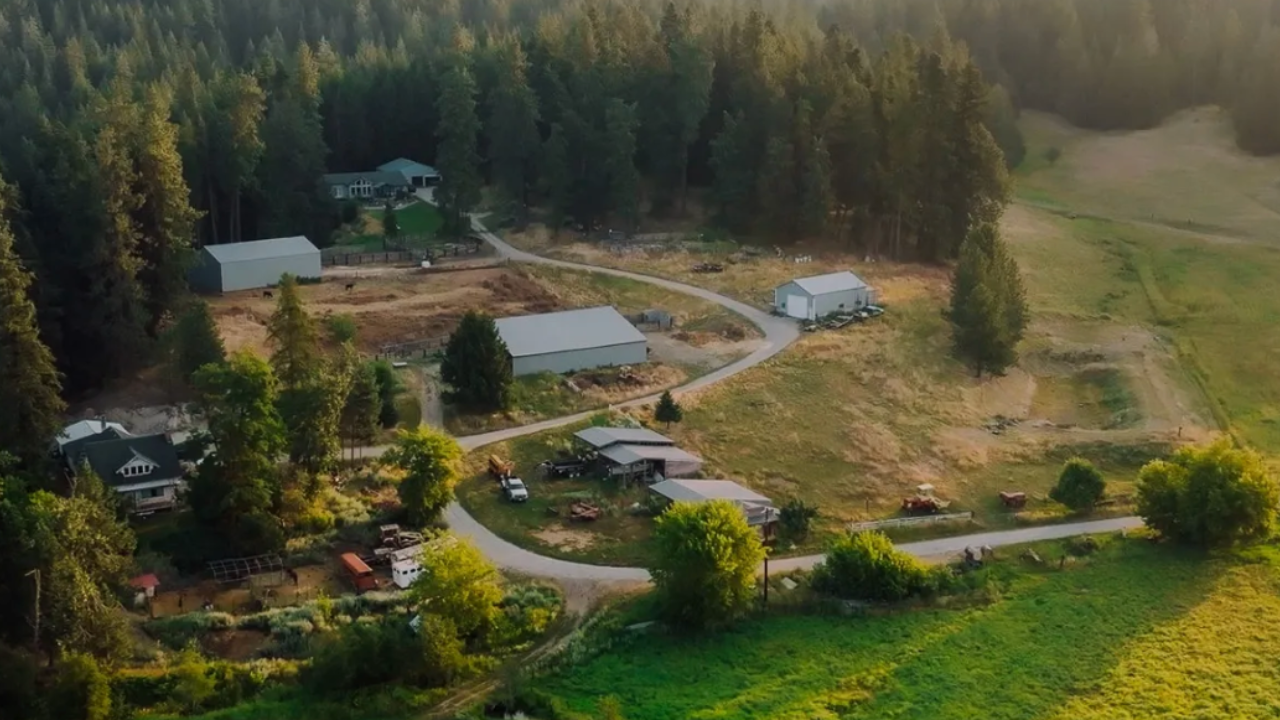
Over the years, calving season is just one of many things John and Betty Mobbs have changed on their Idaho ranch, Lazy JM Ranch. Situated on picturesque Hauser Lake in the Panhandle of Idaho, Lazy JM Ranch has been transformed since its inception in 1972.
Always cattle raisers, the Mobbs family has gone from raising Hereford cattle, to large Angus x Simmental cattle, to breeding their Angus cows to a brand new Aberdeen bull. These changes of genetics and practice mark the Mobbs’ family transition to more regenerative and sustainable practices that represent their family’s values for the land and livestock management.
“Succession is a big deal for us,” said John, “My grandfather walked on this ground and I want to make sure my grandkids walk this ground.”
Raised on the ranch’s 160 acres, John has taken a new approach to cattle management in the last decade. Noting how the family used to feed cattle in the barns all winter and cut hay before turning cattle on the pastures, John said, “They (the cattle) used to get what was leftover and we overgrazed it (our pastures) every single year.”
“We thought the solution was cutting our herd,” Betty reminisced. However, when a friend gave the Mobbs a copy of Kick The Hay Habit by Jim Gerrish, they began to see there was another way to maintain their sanity, the land, and their life in agriculture.
“I understand now that we were understocked and overgrazed,” added John, “we were pounding our ground into nothing.”
Slowly, Lazy JM Ranch began to change their practices, and their passion for learning fueled their expansion into grass finished, local beef production. Most recently, Management- intensive Grazing through rotational grazing has become a game changer for the operation with carrying capacities climbing and forage exploding. “It (cell grazing) came up over and over again at these meetings we attended,” said John. “Then one day our son, Travis, just went out and built a cell.”
Thanks to that initiative, the changes were almost immediate for the ranch. “By day six, I knew something was changing,” noted John. After that first cell, the family began transitioning the entire property to cell grazing with the grass growing faster than they could keep up with it. At the end of the 2019 grazing season, the ranch had 10 acres of pasture that hadn’t been grazed because the cattle hadn’t been able to keep up with the forage being regenerated in their wake.
Hard times are no stranger to the Mobbs family or their ranch. “It is a miracle we still have the place,” said Betty. “We were so poor that John would straighten bent nails to reuse.” In 1987, John and Betty nearly gave up on the place and on cattle in general. With their herd at eight head and family circumstances adding extra stress, a life in ranching seemed to be more of a burden than a blessing.
Since then, the Lazy JM Ranch has come full circle to not only keep their land but also welcome back the next generation to the ranch. As they learn more about utilizing forage and grazing, the Mobbs continue to grow their herd. A far cry from those eight head in 1987, the ranch now grazes 75 head with plans to grow again this year. Alongside a surge in desirable forage, the ranch has seen a boom in pollinators and carbon levels in their soils with the use of more diversified grazing that utilizes not only cattle, but sheep and chickens as well.
The regeneration being seen on the ranch isn’t lost on those in the surrounding area either. “We have gone from having neighbors who swore they would never have cows on their place to them asking us to bring the cattle over to graze their land,” laughed Betty. With that, Lazy JM Ranch has
been able to provide their beef to the surrounding community. Supplying over 50 families in their area with fresh, local beef the Mobbs are eager to expand their operations in coming years to meet the demand. “People want to buy clean, local beef,” said Betty, who handles the marketing and business side of the ranch.
“We’re going to have to step up our marketing (to meet demand and herd growth),” added John.
As their market and carrying capacity continues to expand, the Mobbs are working hard to diversify their entities in a way that provides a stable, sustainable income for themselves and the next generation. Both John and Betty worked off the farm before retiring in the past decade, and their focus is now on creating an enterprise on the ranch that supports their passion for the land, livestock, and local community.
“We can treasure what we have now,” said Betty. “We can be true stewards of what we have.”
Lydia and Kenneth Kyle are raising their family on a ranch in the mountains of New Mexico. Recently relocated, the Kyles are working to bring regenerative practices to a traditionally conventional cattle operation.
Stay connected with news and updates!
Join our mailing list to receive the latest news and updates from our team.
Don't worry, your information will not be shared.
We hate SPAM. We will never sell your information, for any reason.